Are you struggling with shortness of breath or persistent respiratory discomfort?
In a world where air quality can be challenging and chronic respiratory conditions like Chronic Obstructive Pulmonary Disease (COPD) are on the rise, maintaining optimal lung health has never been more critical. Many people are searching for natural, sustainable ways to support their breathing and improve their overall quality of life.
This comprehensive guide, authored by Dr. Patricia Young, a leading Respiratory Health Researcher, delves into practical, evidence-based diet and lifestyle strategies that can make a profound difference. We'll explore how simple changes can lead to clearer airways, increased energy, and a stronger respiratory system, helping you breathe easier every day.
The Foundation of Lung Health: Understanding Your Respiratory System
Before we dive into improvement strategies, it's essential to grasp the basics of how our respiratory system works and why it's so vulnerable to modern stressors. Your lungs are vital organs responsible for oxygenating your blood and expelling carbon dioxide, a process critical for every cell in your body.
From the moment you take your first breath, your respiratory system is constantly working, filtering air, and exchanging gases. However, factors like pollution, allergens, infections, and chronic conditions such as Chronic Obstructive Pulmonary Disease (COPD) can compromise this intricate system. COPD, characterized by progressive airflow limitation, makes breathing difficult and can significantly impact daily life. While there's no cure for COPD, natural approaches can play a crucial role in managing symptoms, slowing progression, and improving overall lung function. Understanding these challenges is the first step toward building resilience and actively supporting your lung health.
The delicate tissues within your lungs are constantly exposed to external elements, making them susceptible to inflammation and damage. Over time, this exposure, combined with lifestyle choices, can lead to reduced lung capacity and efficiency. Our goal is to empower you with knowledge and actionable steps to protect and enhance these vital organs, ensuring they function optimally for years to come. By focusing on natural interventions, we aim to provide a holistic pathway to better breathing and a higher quality of life, especially for those navigating the complexities of respiratory challenges.
💡 Key Takeaway
Optimal respiratory health is fundamental for overall well-being. Understanding your lungs' function and vulnerabilities, especially concerning conditions like COPD, empowers you to proactively adopt natural diet and lifestyle strategies to mitigate risks and enhance breathing.
Dietary Powerhouses: Foods That Support Lung Function
Your diet plays an indispensable role in maintaining and improving respiratory health. Certain foods can reduce inflammation, protect lung tissue, and enhance overall immune function, making your lungs more resilient against environmental aggressors and chronic conditions.
Antioxidant-Rich Fruits and Vegetables
Incorporating a wide array of colorful fruits and vegetables into your daily diet provides a potent dose of antioxidants like Vitamin C, Vitamin E, and beta-carotene. These compounds combat oxidative stress, which can damage lung cells and contribute to inflammation, particularly relevant for individuals with COPD. Berries, leafy greens (spinach, kale), bell peppers, and citrus fruits are excellent choices to bolster your lung's defenses.
Omega-3 Fatty Acids for Anti-Inflammation
Omega-3 fatty acids, found in fatty fish like salmon, mackerel, and sardines, as well as flaxseeds and walnuts, are renowned for their powerful anti-inflammatory properties. Chronic inflammation is a hallmark of many respiratory issues, including asthma and COPD. By reducing systemic inflammation, omega-3s can help alleviate symptoms and protect lung tissue from further damage, promoting smoother breathing.
Hydration: The Unsung Hero
Adequate hydration is often overlooked but is absolutely critical for respiratory health. Drinking plenty of water helps keep the mucus lining in your airways thin and moist, making it easier to clear irritants and pathogens. Dehydration can lead to thicker, stickier mucus, making breathing more difficult and potentially exacerbating coughs and congestion. Aim for at least 8 glasses of water daily.
Lean Proteins for Muscle Strength
Maintaining strong respiratory muscles is vital for effective breathing. Lean protein sources such as chicken, turkey, fish, beans, and lentils provide the essential amino acids needed for muscle repair and growth. For those with COPD, who often experience muscle wasting, sufficient protein intake is even more crucial to support lung function and overall energy levels.
Ginger and Turmeric: Nature's Anti-Inflammatories
These two potent spices are more than just flavor enhancers; they are powerhouse anti-inflammatory agents. Ginger has bronchodilator effects and can help clear airways, while turmeric, with its active compound curcumin, is a strong antioxidant and anti-inflammatory. Regularly incorporating fresh ginger into teas or using turmeric in cooking can provide natural support for your respiratory system.

Lifestyle Adjustments for Optimal Lung Function
Beyond diet, your daily habits significantly influence your respiratory health. Making conscious lifestyle choices can fortify your lungs, enhance breathing efficiency, and improve your overall well-being, especially when managing conditions like COPD.
Regular physical activity is paramount. Even moderate exercise, tailored to your capabilities, can strengthen respiratory muscles and improve lung capacity. Activities like brisk walking, swimming, or cycling for 30 minutes most days of the week can make a substantial difference. For more insights on this, you might find our article on how to improve lung capacity naturally particularly helpful. Quitting smoking is, without a doubt, the most impactful step you can take for your lung health. Smoking damages lung tissue, impairs cilia function, and is the primary cause of COPD. Even if you've smoked for years, stopping now can halt further damage and allow your lungs to begin healing.
Managing stress is another critical, yet often underestimated, component. Chronic stress can lead to shallow breathing, exacerbate asthma symptoms, and negatively impact your immune system. Incorporating stress-reduction techniques such as meditation, yoga, deep breathing exercises, or spending time in nature can promote calmer, deeper breathing and reduce the physiological toll on your respiratory system. Prioritizing quality sleep also provides your body with the necessary time for repair and regeneration, supporting overall immune function and lung health. Aim for 7-9 hours of uninterrupted sleep each night to give your lungs and body the best chance to recover and thrive.
The Role of Environment and Air Quality
Avoid Air Pollutants
Indoor and outdoor air pollution significantly impacts respiratory health. Minimize exposure to secondhand smoke, chemical fumes from cleaning products, and strong perfumes. When outdoor air quality is poor (check local air quality indexes), limit strenuous outdoor activities. Invest in high-quality air filters for your home and ensure good ventilation to reduce indoor pollutants, dust mites, and mold spores that can irritate airways and trigger symptoms, especially for those with conditions like COPD.
Embrace Nature and Fresh Air
Spending time in green spaces, away from urban pollution, can be incredibly beneficial for your lungs. Trees and plants naturally filter the air, producing oxygen and reducing airborne particulates. Regular exposure to fresh, clean air can help clear your airways and reduce inflammation. If living in a polluted area, consider investing in indoor plants that are known for their air-purifying qualities, such as snake plants or peace lilies, to enhance your home environment.
Maintain a Clean Home Environment
A clean living space is crucial for minimizing allergens and irritants. Regularly vacuum with a HEPA filter, dust surfaces, and wash bedding in hot water to eliminate dust mites. Control humidity to prevent mold growth, which can severely impact respiratory health. These small actions create a healthier breathing environment, reducing the burden on your lungs and potentially decreasing the frequency of respiratory symptoms and flare-ups associated with conditions like COPD.
Natural Supplements for Respiratory Support
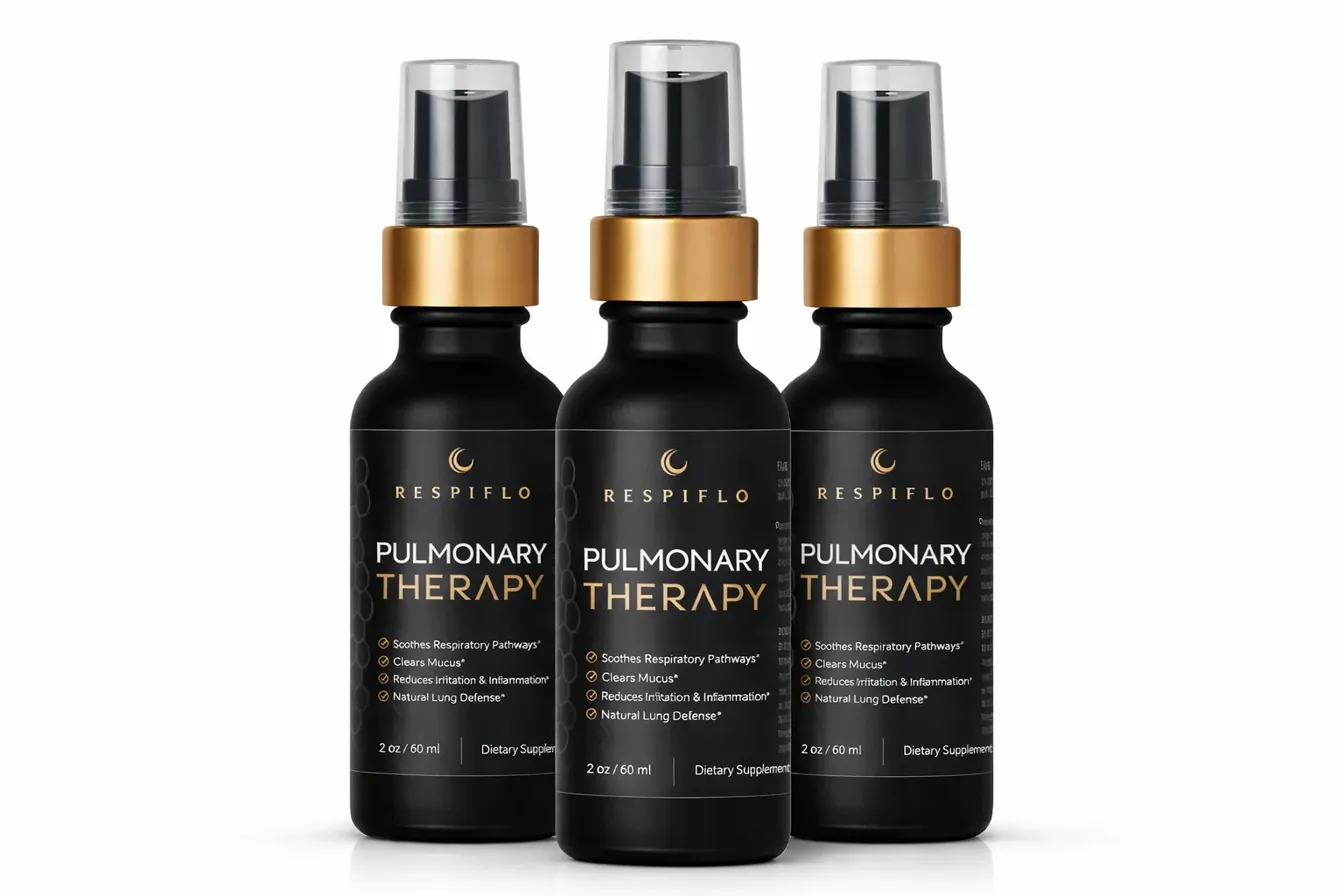
While diet and lifestyle are foundational, certain natural supplements can provide additional, targeted support for respiratory health, especially when managing conditions like COPD. RespiFlo is formulated with a blend of ingredients known for their beneficial effects on lung function.
N-Acetyl Cysteine (NAC)
NAC is a powerful antioxidant and mucolytic agent. It helps break down thick mucus in the airways, making it easier to clear, which is particularly beneficial for individuals with chronic respiratory conditions like COPD. NAC also supports the production of glutathione, a master antioxidant in the body that protects lung cells from oxidative damage.
Dose: 600-1200 mg daily
Quercetin
This potent flavonoid possesses significant anti-inflammatory and antihistamine properties. Quercetin can help stabilize mast cells, reducing the release of histamine and other inflammatory mediators, which can alleviate allergic respiratory responses and inflammation in the airways. It provides cellular protection against environmental stressors.
Dose: 250-500 mg daily
Vitamin D
Often called the "sunshine vitamin," Vitamin D plays a crucial role in immune system modulation and anti-inflammatory processes. Research suggests that adequate Vitamin D levels are associated with better lung function and a reduced risk of respiratory infections and exacerbations in conditions like COPD. It helps maintain the integrity of the respiratory tract.
Dose: 2000-5000 IU daily
Bromelain
Derived from pineapple, bromelain is an enzyme complex known for its anti-inflammatory and mucolytic properties. It can help reduce swelling and congestion in the airways, making breathing easier. Its ability to break down proteins also assists in clearing mucus and reducing the discomfort associated with respiratory inflammation.
Dose: 200-500 mg daily
Mullein Leaf
Mullein is a traditional herbal remedy widely used to soothe the respiratory tract. It acts as an expectorant, helping to expel mucus from the lungs, and an emollient, providing a soothing effect on irritated mucous membranes. Its demulcent properties can relieve dryness and inflammation, promoting clearer and more comfortable breathing.
Dose: 200-400 mg daily
Ivy Leaf Extract
Ivy leaf extract is well-regarded for its ability to relieve coughs and support clear airways. It contains saponins that help to thin mucus and relax bronchial muscles, making it easier to breathe and cough up phlegm. This ingredient is particularly helpful for easing congestion and promoting a productive cough in various respiratory conditions.
Dose: 50-100 mg daily
For a deeper dive into how natural supplements can support your respiratory system, particularly in conditions like COPD, you may find our article on natural supplement support for COPD insightful. Additionally, if you're exploring options for general respiratory comfort, our guide on a natural supplement for clear breathing offers further valuable information.
Experience the RespiFlo Difference: Breathe Easier, Live Better
RespiFlo is an all-natural dietary supplement meticulously crafted to support optimal respiratory health. Developed by experts, its unique blend of scientifically-backed ingredients works synergistically to promote clear airways, reduce inflammation, and enhance lung function, helping you regain control over your breathing and enjoy a more active life.
- ✓ Supports clear, open airways
- ✓ Reduces respiratory inflammation and irritation
- ✓ Boosts lung capacity and efficiency
- ✓ Fortifies immune response for lung protection
- ✓ Made with 100% natural, non-GMO ingredients




What Our Customers Are Saying
"RespiFlo has been a game-changer for my breathing. I used to feel constantly congested, but now my airways feel clearer, and I have more energy throughout the day. I can finally enjoy walks without feeling winded. Highly recommend it to anyone looking for natural respiratory support!"
"As someone managing COPD, finding natural solutions that truly help is a blessing. RespiFlo has noticeably reduced my shortness of breath and the frequency of my flare-ups. My pulmonologist even commented on the improvement in my lung function tests. I'm so grateful for this supplement."
"I was skeptical at first, but after a month of taking RespiFlo, I'm a believer. My seasonal allergies usually leave me wheezing, but this year has been different. My breathing is much smoother, and I feel less reliant on my inhaler. It's a fantastic natural product that delivers on its promises."
Frequently Asked Questions
What are the best dietary changes for improving respiratory health?
+Adopting an anti-inflammatory diet rich in fruits, vegetables, and lean proteins is crucial. Focus on foods high in antioxidants, like berries and leafy greens, and omega-3 fatty acids found in fish. Limiting processed foods, refined sugars, and excessive dairy can help reduce mucus production and inflammation, making breathing easier. Staying well-hydrated is also essential for keeping airways moist and mucus thin.
How does regular exercise impact lung function, especially with conditions like COPD?
+Regular, moderate exercise significantly strengthens respiratory muscles, improves lung capacity, and enhances overall cardiovascular health. For individuals with COPD, tailored exercise programs, often including aerobic activities and strength training, can reduce shortness of breath, increase endurance, and improve quality of life. Always consult a healthcare professional before starting a new exercise regimen, especially with a chronic condition.
Can stress management truly make a difference in respiratory symptoms?
+Absolutely. Stress and anxiety can trigger or worsen respiratory symptoms, leading to rapid, shallow breathing and increased discomfort. Techniques like deep breathing exercises, meditation, yoga, and mindfulness can calm the nervous system, promote diaphragmatic breathing, and reduce inflammation. Managing stress effectively can lead to more relaxed breathing, fewer flare-ups, and a greater sense of control over respiratory health.
What role do natural supplements play in supporting lung health?
+Natural supplements can complement a healthy diet and lifestyle by providing targeted nutritional support for respiratory function. Ingredients like N-acetyl cysteine (NAC), quercetin, vitamin D, and herbal extracts such as mullein or ivy leaf are often used for their antioxidant, anti-inflammatory, and mucolytic properties. They can help protect lung tissue, reduce inflammation, and support clearer airways. It's vital to choose high-quality supplements and consult a doctor.
Are there specific environmental factors to avoid for better breathing?
+Yes, minimizing exposure to environmental triggers is paramount for respiratory health. This includes avoiding cigarette smoke (firsthand and secondhand), air pollution, strong chemical fumes, and common allergens like dust mites, pet dander, and mold. Ensuring good indoor air quality through ventilation, air purifiers, and regular cleaning can significantly reduce the burden on your lungs and help prevent exacerbations of conditions like COPD.
How long does it typically take to see improvements in respiratory health with natural methods?
+The timeline for seeing improvements varies greatly depending on the individual's baseline health, the severity of their condition, and the consistency of their natural interventions. Some people may notice subtle changes in a few weeks, such as easier breathing or reduced fatigue. More significant improvements in lung capacity or symptom frequency might take several months of consistent effort. Patience, persistence, and regular consultation with healthcare providers are key.
Related Articles