Struggling with COPD symptoms and seeking natural relief?
Chronic Obstructive Pulmonary Disease (COPD) affects millions worldwide, bringing with it a challenging array of symptoms like shortness of breath, coughing, and wheezing. While conventional medicine offers vital treatments, many individuals are increasingly exploring natural avenues to support their lung health and improve their quality of life.
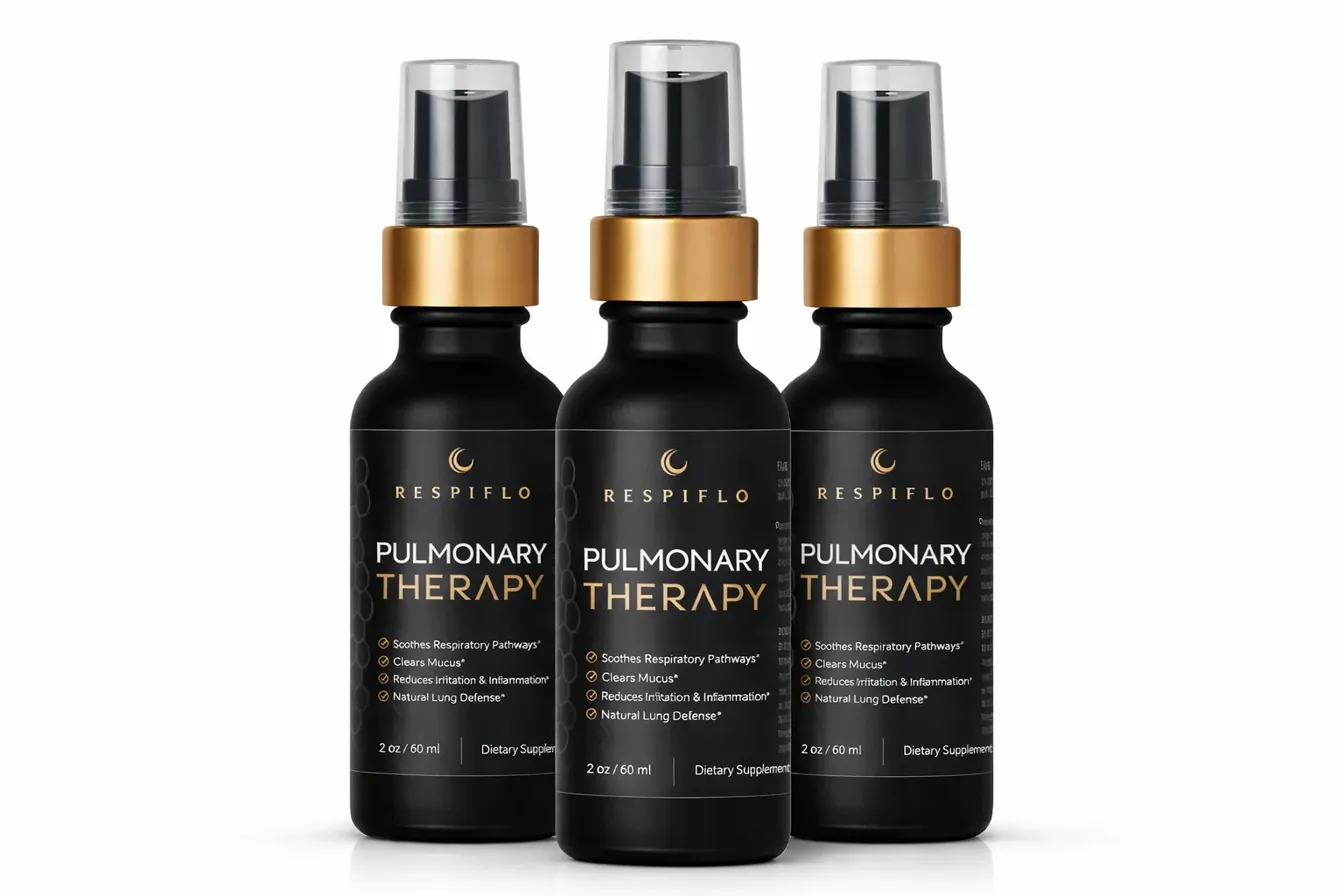
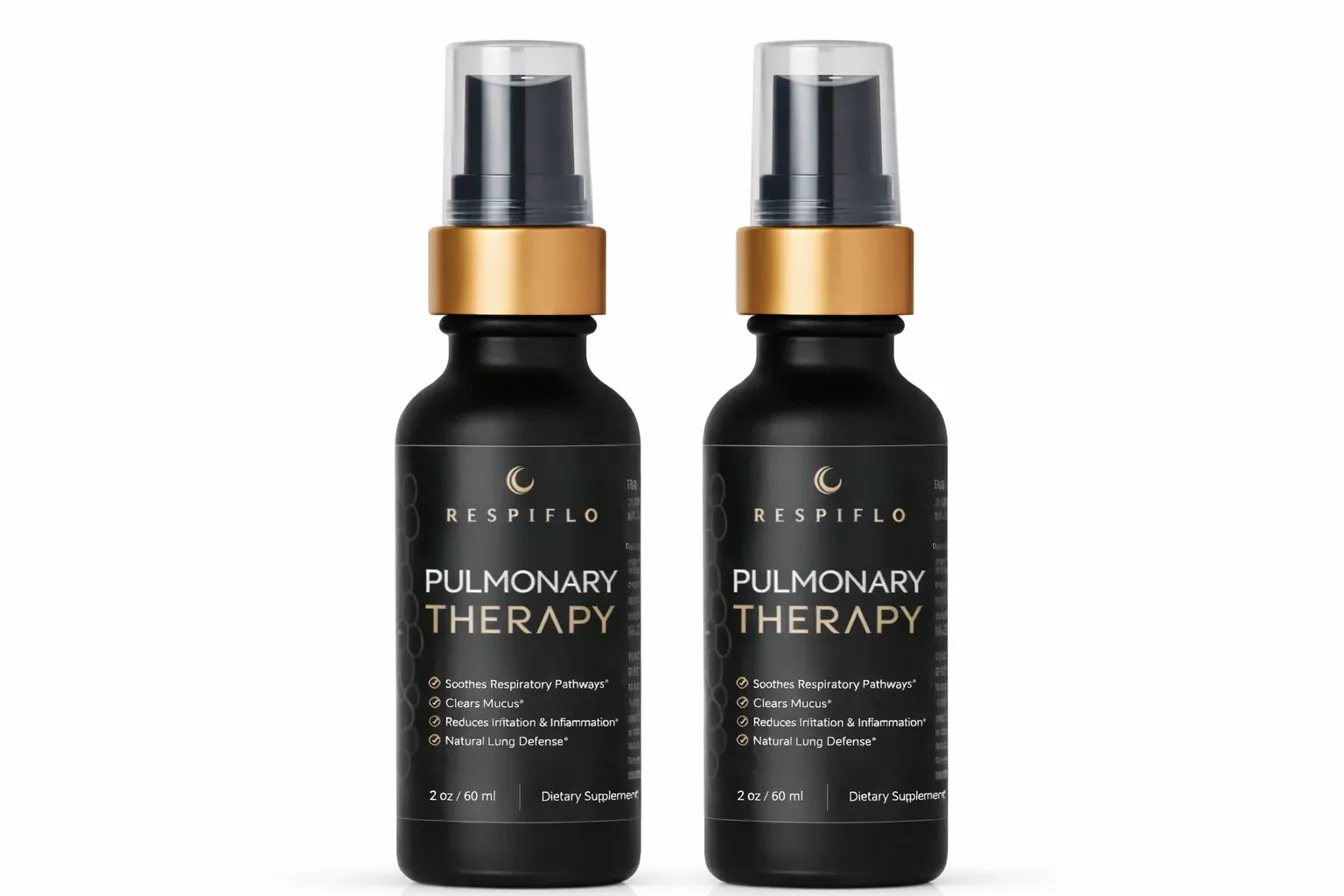
This comprehensive guide delves into the best herbs, vitamins, and other natural supplements that can potentially offer support for those living with COPD. We'll explore how these natural compounds can complement your existing treatment plan by targeting inflammation, oxidative stress, and promoting overall respiratory well-being. Discover how a holistic approach, including a targeted supplement like RespiFlo's comprehensive approach, might offer additional relief and support for your lungs.
Understanding COPD and the Role of Natural Support
Chronic Obstructive Pulmonary Disease (COPD) is a group of progressive lung diseases, including emphysema and chronic bronchitis, that block airflow and make it difficult to breathe. It's characterized by persistent respiratory symptoms and airflow limitation due to airway and/or alveolar abnormalities, usually caused by significant exposure to noxious particles or gases.
The primary mechanisms underlying COPD progression involve chronic inflammation, oxidative stress, and mucus hypersecretion, leading to structural changes in the lungs. While there is no cure for COPD, conventional medical treatments focus on managing symptoms, improving lung function, and preventing exacerbations. However, many individuals are looking for ways to further support their respiratory health naturally, seeking to reduce symptoms and enhance their overall well-being. This is where natural supplements, with their potential anti-inflammatory and antioxidant properties, can play a significant complementary role.
The Science Behind Lung Damage in COPD
At the core of COPD pathogenesis lies a complex interplay of factors that lead to irreversible lung damage. Firstly, chronic inflammation is a hallmark of COPD. Exposure to irritants, primarily cigarette smoke, triggers an inflammatory response in the airways and lung tissue. This persistent inflammation leads to the destruction of alveolar walls (emphysema) and remodeling of small airways (bronchiolitis), ultimately causing airflow obstruction. Inflammatory cells release various mediators that contribute to this damage.
Secondly, oxidative stress is profoundly elevated in the lungs of COPD patients. This imbalance between pro-oxidants and antioxidants results in cellular damage, increased inflammation, and mucus production. Oxidative stress can also impair the activity of enzymes crucial for lung repair and defense, creating a vicious cycle of damage. Understanding these mechanisms is key to appreciating how certain natural compounds, with their potent antioxidant and anti-inflammatory properties, can offer supportive benefits.
Thirdly, excessive mucus production is common, particularly in chronic bronchitis, further narrowing airways and making breathing difficult. This mucus is often thicker and harder to clear, leading to chronic cough and increased susceptibility to infections. Natural compounds that help thin mucus or act as expectorants can be particularly beneficial here. For more insights on clearing airways, you might find our article on natural supplements for clear breathing helpful.
💡 Key Takeaway
Natural supplements for COPD are not a cure or a replacement for prescribed medications but can act as powerful complementary tools to help manage symptoms, reduce inflammation, combat oxidative stress, and support overall lung health, enhancing quality of life.
Key Vitamins for Enhanced Lung Health
Vitamins are essential micronutrients that play crucial roles in various bodily functions, including immune response, inflammation control, and cellular protection. For individuals with COPD, ensuring adequate intake of specific vitamins can be particularly important in supporting lung health.
Vitamin D: Immune Modulation & Anti-inflammatory
Often referred to as the "sunshine vitamin," Vitamin D is critical for immune system function and has significant anti-inflammatory properties. Research suggests that lower levels of Vitamin D are common in COPD patients and may be associated with increased disease severity and frequency of exacerbations. Supplementation can help modulate immune responses in the lungs and potentially reduce inflammatory markers, offering a protective effect.
Vitamin C: Potent Antioxidant & Immune Support
Vitamin C is a powerful antioxidant that helps protect lung cells from oxidative damage caused by pollutants and inflammation, which are prevalent in COPD. It also plays a vital role in supporting the immune system, helping the body fight off respiratory infections that can worsen COPD symptoms. Regular intake of Vitamin C can contribute to overall lung resilience and reduce cellular stress.
Vitamin E: Cell Protection & Antioxidant Defense
This fat-soluble vitamin is another potent antioxidant, crucial for protecting cell membranes from damage by free radicals. In the context of COPD, Vitamin E can help shield lung tissues from the harmful effects of oxidative stress and inflammation. It works synergistically with other antioxidants to bolster the body's natural defense mechanisms against environmental toxins and internal cellular damage.
B Vitamins: Energy Metabolism & Nerve Function
While not directly related to lung tissue repair, B vitamins, particularly B6, B9 (folate), and B12, are essential for energy metabolism and nerve function. Adequate levels can support overall vitality, which is often compromised in COPD patients due to the increased effort of breathing. They also play a role in DNA synthesis and repair, indirectly supporting cellular health throughout the body, including the respiratory system.
Essential Minerals for Respiratory Function
Beyond vitamins, several minerals are critical for optimal respiratory health and can offer valuable support for individuals managing COPD. These micronutrients contribute to muscle function, immune response, and antioxidant defense, all of which are vital for lung resilience.
Magnesium: Bronchodilation and Muscle Relaxation
Magnesium is an essential mineral involved in over 300 enzymatic reactions in the body, including muscle and nerve function, blood glucose control, and blood pressure regulation. For respiratory health, magnesium has a known bronchodilatory effect, meaning it can help relax the smooth muscles around the airways, potentially easing breathing. Studies have shown that magnesium deficiency is common in COPD patients and may be linked to impaired lung function. Supplementing with magnesium can therefore be beneficial in supporting airway patency and reducing bronchial hyperresponsiveness.
Selenium: Potent Antioxidant and Immune Support
Selenium is a trace mineral that acts as a powerful antioxidant, playing a crucial role in the body's defense against oxidative stress. It is a key component of glutathione peroxidase, an enzyme that protects cells from damage by free radicals. In COPD, where oxidative stress is significantly elevated, selenium can help mitigate cellular injury in the lungs and reduce inflammation. Furthermore, selenium is vital for a robust immune system, helping to prevent respiratory infections that can trigger COPD exacerbations. Maintaining adequate selenium levels can support overall lung immunity and protection.
Zinc: Immune System Fortification and Anti-inflammatory Effects
Zinc is another trace mineral indispensable for immune system function, wound healing, and cell growth. It has strong anti-inflammatory and antioxidant properties. Zinc deficiency is commonly observed in elderly individuals and those with chronic diseases like COPD, potentially contributing to increased susceptibility to infections and worsened inflammatory responses. Supplementing with zinc can help strengthen the immune system, reduce the frequency and severity of respiratory infections, and contribute to a healthier inflammatory balance in the lungs.
Powerful Herbs for Comprehensive Respiratory Support
Herbal remedies have been used for centuries to alleviate respiratory ailments. Modern research continues to uncover the potent compounds within these plants that can offer significant support for lung health, particularly for conditions like COPD. These herbs often possess anti-inflammatory, antioxidant, mucolytic, and immune-modulating properties.
Turmeric (Curcumin): Natural Anti-inflammatory Powerhouse
The active compound in turmeric, curcumin, is renowned for its powerful anti-inflammatory and antioxidant properties. Chronic inflammation is a hallmark of COPD, and curcumin has been shown to inhibit various inflammatory pathways in the body, including those in the lungs. By reducing inflammation and oxidative stress, turmeric can help protect lung tissue from damage and potentially alleviate some COPD symptoms. It's a cornerstone for natural anti-inflammatory support.
Ginger: Soothing and Mucus-Clearing Benefits
Ginger is a well-known herb with anti-inflammatory and antioxidant effects. It can help relax the smooth muscles of the airways, potentially easing bronchoconstriction. Furthermore, ginger acts as an expectorant, helping to loosen and expel mucus from the respiratory tract, which is particularly beneficial for individuals experiencing chronic cough and phlegm in COPD. Its warming properties can also soothe irritated airways.
Mullein Leaf: Traditional Respiratory Healer
Mullein leaf has a long history of traditional use as a remedy for respiratory conditions, including coughs, bronchitis, and asthma. It acts as an expectorant, helping to clear mucus from the lungs, and also as a demulcent, providing a soothing coating to irritated mucous membranes. Its anti-inflammatory properties can further contribute to easing respiratory discomfort. Mullein is often considered a gentle yet effective herb for lung support.
Licorice Root: Anti-inflammatory and Protective
Licorice root is a potent herb with strong anti-inflammatory, antiviral, and antimicrobial properties. It can help reduce inflammation in the airways and also acts as an expectorant, aiding in mucus clearance. Glycyrrhizin, a key compound in licorice, has been studied for its potential to protect lung cells from damage and support adrenal function, which can be beneficial in managing chronic stress associated with COPD. However, it should be used with caution due to potential interactions.
Cordyceps Sinensis: Enhancing Oxygen Utilization
Cordyceps is a medicinal mushroom traditionally used to improve athletic performance and respiratory function. It is believed to enhance oxygen utilization and increase cellular energy (ATP) production, which can be particularly beneficial for COPD patients who often struggle with shortness of breath and fatigue. Cordyceps also possesses anti-inflammatory and antioxidant properties, supporting overall lung resilience and potentially improving stamina. To learn more about improving lung capacity naturally, see our article on how to improve lung capacity naturally.
Quercetin: Bioflavonoid for Antioxidant & Anti-inflammatory Action
Quercetin is a powerful flavonoid found in many fruits and vegetables, known for its strong antioxidant and anti-inflammatory effects. It helps stabilize mast cells, reducing the release of histamine and other inflammatory mediators, which can be beneficial in allergic responses and inflammatory lung conditions. Quercetin supports cellular health in the lungs and can contribute to a reduction in systemic inflammation, offering protective benefits against oxidative damage.
Other Beneficial Compounds for Lung Support
Beyond vitamins, minerals, and traditional herbs, several other compounds have emerged as valuable allies in supporting respiratory health, particularly for conditions like COPD. These often target specific mechanisms such as mucus viscosity and antioxidant defense.
N-Acetyl Cysteine (NAC): Mucolytic and Antioxidant Powerhouse
N-Acetyl Cysteine (NAC) is a derivative of the amino acid cysteine and is widely recognized for its mucolytic (mucus-thinning) and antioxidant properties. In COPD, excessive and thick mucus production can severely obstruct airways. NAC helps to break down disulfide bonds in mucus, making it thinner and easier to clear from the lungs. Furthermore, NAC is a precursor to glutathione, one of the body's most potent endogenous antioxidants. By boosting glutathione levels, NAC directly combats the high levels of oxidative stress prevalent in COPD, protecting lung cells from damage and reducing inflammation. Regular NAC supplementation has been shown in some studies to reduce the frequency and duration of COPD exacerbations.
Alpha-Lipoic Acid (ALA): Broad-Spectrum Antioxidant
Alpha-Lipoic Acid (ALA) is a powerful antioxidant that is unique because it is both water and fat-soluble, allowing it to work throughout the body's cells and tissues. ALA helps regenerate other antioxidants, such as Vitamin C, Vitamin E, and glutathione, further amplifying the body's antioxidant defenses. In the context of COPD, ALA can help neutralize free radicals, reduce oxidative stress, and mitigate inflammation in the lungs. Its ability to improve mitochondrial function also contributes to cellular energy production, which can support overall vitality in individuals with chronic respiratory conditions. ALA offers a broad-spectrum approach to antioxidant support, which is critical for lung protection.
Lifestyle Pillars for Optimal Lung Health with COPD
Nutritional Excellence
A diet rich in fruits, vegetables, lean proteins, and healthy fats is crucial. Focus on anti-inflammatory foods like berries, leafy greens, fatty fish (omega-3s), and whole grains. Avoid processed foods, excessive sugar, and unhealthy fats, which can exacerbate inflammation. Adequate hydration is also vital for thinning mucus and supporting overall bodily functions.
Regular, Tailored Exercise
Physical activity, even gentle forms, can significantly improve lung capacity and overall stamina. Pulmonary rehabilitation programs are specifically designed for COPD patients to help them learn breathing techniques, exercise safely, and manage their condition. Always consult your doctor before starting any new exercise regimen to ensure it's appropriate for your health status.
Avoid Lung Irritants
The single most important step for anyone with COPD is to quit smoking and avoid exposure to secondhand smoke. Additionally, minimize exposure to air pollution, chemical fumes, dust, and strong odors. Using air purifiers at home and wearing masks in polluted environments can help protect your lungs from further damage and reduce symptom flare-ups.
Effective Stress Management
Stress and anxiety can worsen COPD symptoms, leading to increased shortness of breath and muscle tension. Incorporating stress-reducing practices like mindfulness, meditation, deep breathing exercises, yoga, or spending time in nature can significantly improve mental well-being and, consequently, respiratory comfort. Prioritizing rest and sleep is also essential for recovery and immune function.
Key Ingredients for Comprehensive Respiratory Support
When considering a natural supplement to support lung health, it's vital to look for a blend of scientifically-backed ingredients that work synergistically. A comprehensive formula should target inflammation, oxidative stress, mucus production, and immune function. Here are some of the most effective ingredients to seek out:
N-Acetyl Cysteine (NAC)
Powerful antioxidant and mucolytic agent. Helps thin mucus, making it easier to clear from airways, and boosts glutathione levels to combat oxidative stress in the lungs.
Dose: Typical Dose: 600-1800 mg/day
Quercetin
A flavonoid with strong anti-inflammatory and antioxidant properties. Helps stabilize mast cells, reducing inflammatory responses in the airways and protecting lung tissue from damage.
Dose: Typical Dose: 500-1000 mg/day
Turmeric (Curcumin)
Contains curcumin, a potent anti-inflammatory compound. Reduces systemic and localized inflammation in the lungs, offering protective effects against cellular damage and supporting overall respiratory comfort.
Dose: Typical Dose: 500-1500 mg/day (standardized extract)
Vitamin D3
Essential for immune system modulation and has anti-inflammatory effects. Low levels are common in COPD patients, and supplementation can help reduce exacerbations and support lung immunity.
Dose: Typical Dose: 2000-5000 IU/day
Magnesium
A mineral that helps relax bronchial smooth muscles, potentially easing breathing and reducing airway constriction. Also supports overall muscle function and energy production.
Dose: Typical Dose: 200-400 mg/day
Cordyceps Sinensis
A medicinal mushroom known to enhance oxygen utilization, increase cellular energy, and improve stamina. Also possesses anti-inflammatory and antioxidant properties, supporting lung resilience.
Dose: Typical Dose: 500-1500 mg/day
Integrating Natural Support into Your COPD Management Plan
While the information presented highlights the potential benefits of various natural compounds, it's crucial to approach natural supplementation for COPD as a complementary strategy, not a replacement for conventional medical care. The goal is to work in harmony with your prescribed treatments to maximize your well-being.
Consult Your Physician: Before incorporating any new supplement into your routine, always have an in-depth discussion with your pulmonologist or primary care physician. They can assess potential interactions with your current medications, evaluate your overall health status, and provide guidance tailored to your specific needs. What works for one person may not be suitable for another, especially with a complex condition like COPD.
Quality Matters: When choosing supplements, prioritize high-quality products from reputable manufacturers. Look for supplements that are third-party tested for purity and potency, and ensure they adhere to Good Manufacturing Practices (GMP). The label should clearly list all ingredients and dosages. This ensures you are getting what is advertised and minimizes exposure to contaminants. A high-quality supplement, like RespiFlo, can offer a synergistic blend of these powerful ingredients, carefully formulated for maximum efficacy and safety.
Holistic Approach: Remember that natural supplements are just one piece of the puzzle. Combining them with a healthy lifestyle—including a balanced diet, regular exercise (as advised by your doctor), avoiding lung irritants, and effective stress management—will yield the best results. These elements collectively contribute to a stronger respiratory system and improved quality of life. For more comprehensive approaches to respiratory wellness, consider exploring respiratory health remedies that work.
By taking a thoughtful and informed approach, you can harness the power of nature to support your lungs and enhance your journey with COPD, always under the watchful eye of your healthcare provider. The journey to better breathing is a marathon, not a sprint, and every supportive step counts.
Take Control of Your Breathing with RespiFlo
RespiFlo offers a carefully formulated blend of natural ingredients designed to support respiratory health, reduce inflammation, and enhance lung function for those managing COPD. Our unique formula combines the most researched vitamins, minerals, and herbs known for their beneficial effects on the lungs, providing a comprehensive solution to help you breathe easier and live more fully.
- Supports healthy lung function and clear airways
- Reduces oxidative stress and inflammation in lung tissue
- Promotes easier breathing and reduces discomfort
- Boosts natural energy levels and overall vitality
- Made with premium, all-natural, and scientifically-backed ingredients


Hear From Those Who Breathe Easier
"I've been using RespiFlo for three months, and the difference in my breathing is remarkable. My cough has lessened, and I feel like I have more energy. It's truly helped me manage my COPD symptoms better. Highly recommend!"
"As someone with chronic bronchitis, finding something that genuinely helps has been a struggle. RespiFlo has significantly reduced my mucus production and made my breathing feel smoother. I feel less congested and more comfortable."
"My doctor approved me trying a natural supplement alongside my regular meds, and I chose RespiFlo. I've noticed a definite improvement in my overall lung comfort and less shortness of breath during daily activities. It's a game-changer for me."
Frequently Asked Questions
What is COPD and how do natural supplements help?
+Chronic Obstructive Pulmonary Disease (COPD) is a progressive lung disease that causes obstructed airflow from the lungs, making breathing difficult. While there is no cure, natural supplements can play a supportive role by helping to reduce inflammation, combat oxidative stress, support immune function, and promote clearer airways. They are intended to complement, not replace, conventional medical treatments and should always be discussed with a healthcare provider.
Are these natural supplements safe to take with my COPD medications?
+It is absolutely crucial to consult with your physician or a qualified healthcare professional before adding any new supplement to your regimen, especially if you are taking prescribed medications for COPD or any other condition. Some natural ingredients can interact with medications, affecting their efficacy or increasing side effects. Your doctor can provide personalized advice based on your health status and medication list.
How long does it take to see benefits from natural lung support?
+The timeline for experiencing benefits from natural lung support can vary significantly among individuals. Factors such as the severity of your COPD, consistency of use, overall lifestyle, and individual biological responses all play a role. Some individuals might notice subtle improvements in a few weeks, while for others, it may take several months to experience more noticeable changes. Patience and consistent use, alongside conventional treatment, are key.
What lifestyle changes complement natural supplements for COPD?
+Adopting a holistic approach is vital for managing COPD. Alongside natural supplements, significant lifestyle changes include quitting smoking (if applicable), avoiding exposure to lung irritants, regular physical activity (as advised by your doctor), maintaining a healthy, anti-inflammatory diet rich in fruits and vegetables, staying hydrated, and practicing stress management techniques. Pulmonary rehabilitation programs are also highly beneficial.
Can RespiFlo replace my prescribed COPD medications?
+No, RespiFlo is designed as a dietary supplement to support lung health and respiratory function, not to replace prescribed medications for COPD. COPD is a serious medical condition that requires ongoing management by a healthcare professional. Always follow your doctor's treatment plan and never discontinue or alter your prescribed medications without their explicit guidance. RespiFlo is intended to be used as a complementary support.
Where can I purchase RespiFlo?
+RespiFlo is available for purchase exclusively through its official website to ensure you receive an authentic product directly from the manufacturer. Buying directly helps guarantee product quality, access to special offers, and eligibility for the 60-day money-back guarantee. Visit respiflo-us-us.com to learn more and place your order securely.
Related Articles